
PRESS RELEASE | Up to 215% Tax Deduction for R&D: The “Hidden” Tax Incentive Tool for New Technology Companies | SETPE Information Event to Strengthen Research and Innovation
Every year, an increasing number of businesses across all sectors of the economy are taking advantage of the existing legislative provisions for research and technological development expenses and benefiting from a significant deduction on taxable income, ranging from 100% to as much as 215%, subject to certain conditions.
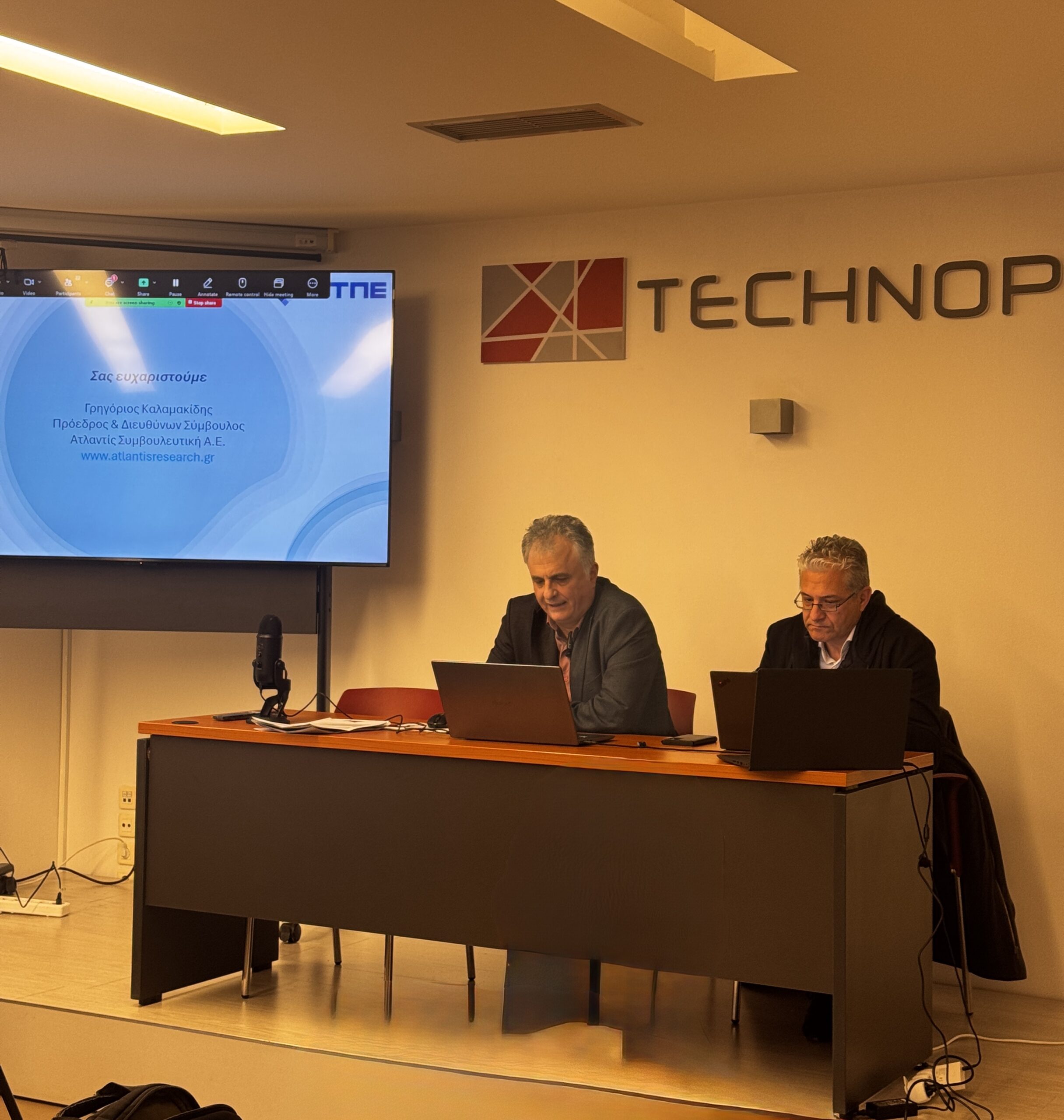
The opportunities for leveraging the strong tax incentives associated with scientific and technological research (R&D) expenses were the focus of the event organised on Monday at Technopolis Thessaloniki, in Pylaia, by the Association of Hellenic Information Technology Enterprises (SETPE), aiming to provide software development and new technology companies with better information on the available benefits.
In his opening remarks, SETPE Chairman of the Board of Directors, Anastasios Manos, emphasised that the collective body representing technology companies consistently invests in practical information initiatives for its members, focusing on useful tools that can be effectively and promptly leveraged. As he noted, the aim is to establish a continuous channel of information and dialogue on issues of critical importance to the market, enabling more companies to transform their know-how and product development activities into measurable financial benefits.
The keynote speaker of the event was Grigorios Kalamakidis, President & CEO of Atlantis Consulting S.A., who presented, step by step, the ways in which companies carrying out self-financed technological research and development projects can achieve an increased deduction of expenses. He particularly highlighted that the current regulations do not impose restrictions regarding the size, financial scope or legal form of the interested company.
The essence of the measures is simple and particularly attractive: Eligible R&D expenses (including personnel costs, subcontractors’ fees, operating expenses, travel costs, consumables, equipment, building-related costs, intangible assets and other eligible expenses), once certified, are deducted from gross revenues with an uplift of at least 100%, thereby reducing taxable income accordingly. Indicatively, for a project with a total budget of €100,000 (mainly personnel and consumables costs that have already been incurred and are not subsidised by another programme), the tax benefit can, as noted, reach tax savings of at least €44,000, based on a 22% tax rate.
A critical – and often underestimated – advantage for technology companies, as Mr Kalamakidis pointed out, is the following: The entire process generates intangible added value to the company’s financial metrics, as the relevant expenses are separately reported and certified as research and development project costs, strengthening the profile and financial value of the participating company.
As highlighted during the event, technological research must include a substantial element of originality for the company, while it was clarified that simple adaptations, translations/porting or customisations to meet customer requirements are not considered R&D activities. On the contrary, the development of original and innovative software involving technological advancement and the systematic resolution of uncertainties may fall within the scope of the applicable incentives.
The event was broadcast live, enabling more than 40 companies to gain insights and plan their next steps in a timely manner, ahead of the commencement of tax return submissions for the 2025 financial year.
It is noted that Atlantis Consulting S.A., headquartered in Thessaloniki, has been providing comprehensive consulting services to businesses since 1992 and has extensive experience in the documentation of research and technological development projects.
