PRESS RELEASE | SETPE: Package of Institutional Proposals for Software Development SMEs
Access to AI Infrastructure and the Commercial Exploitation of Research Top the Agenda of Meetings with Government Officials at the 90th TIF
The Association of Hellinic Artificial Intelligence and Information Technology Enterprises (SETPE) presented a cohesive framework of interventions to support software development SMEs during two institutional working meetings held on the occasion of the opening of the 90th Thessaloniki International Fair (TIF).
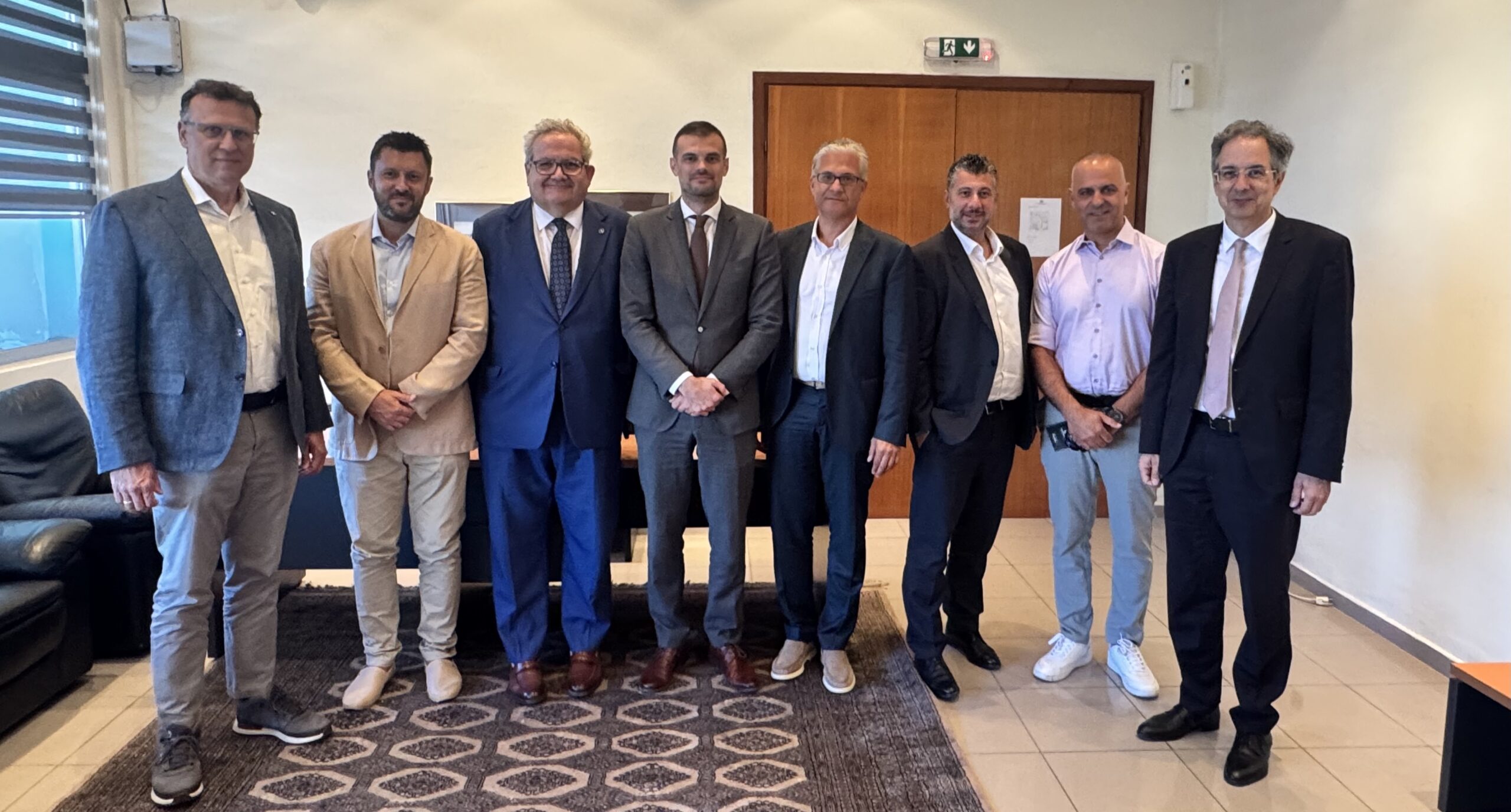
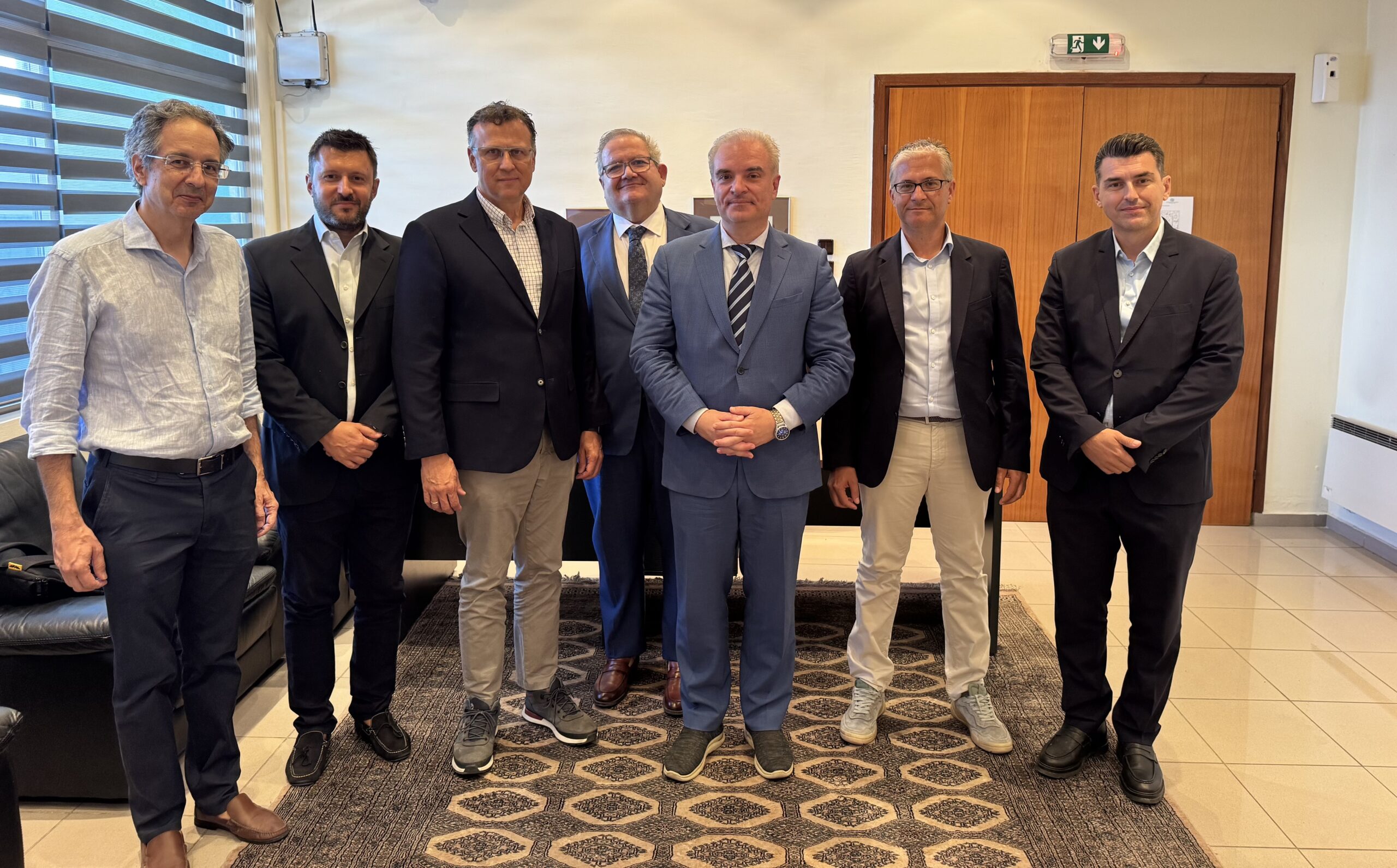
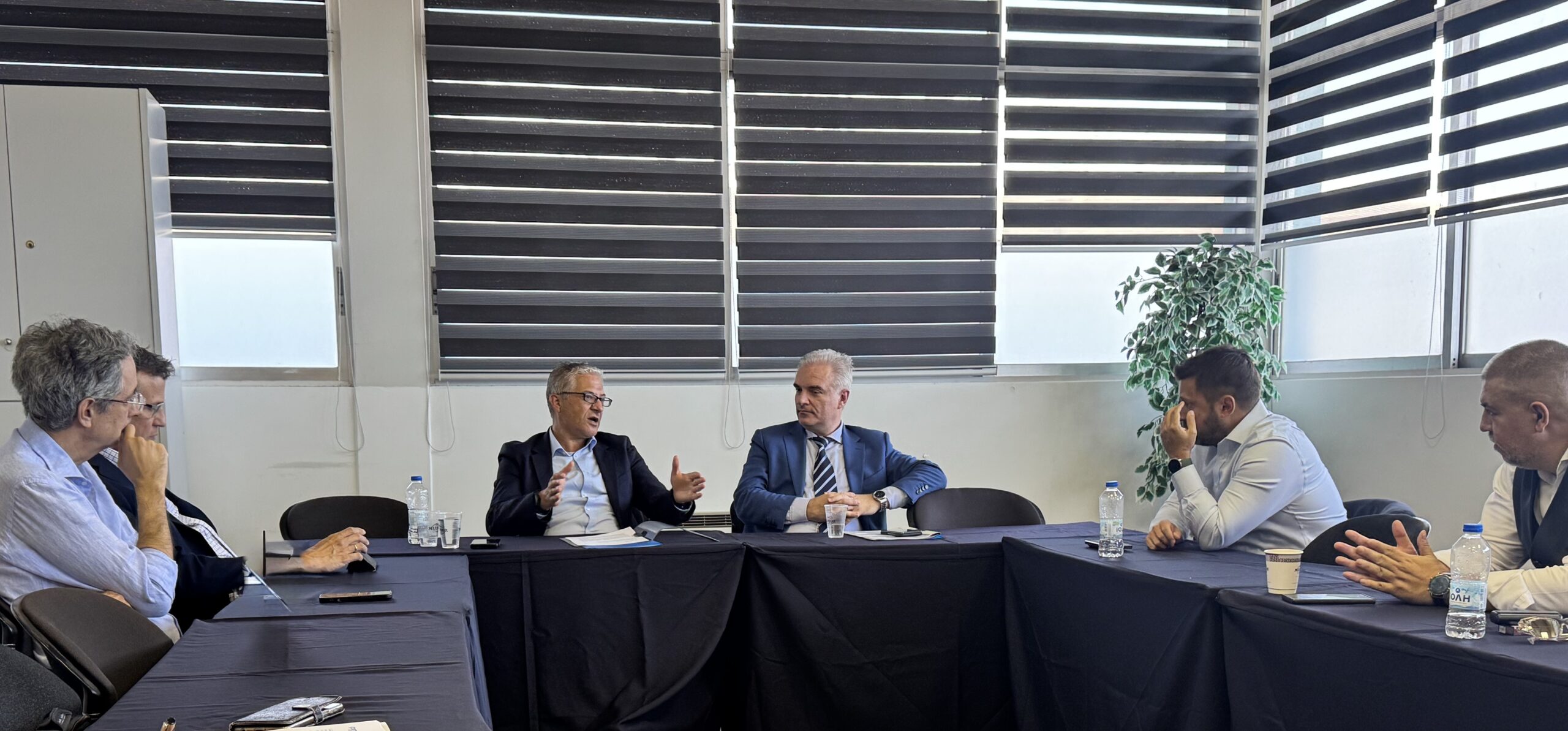
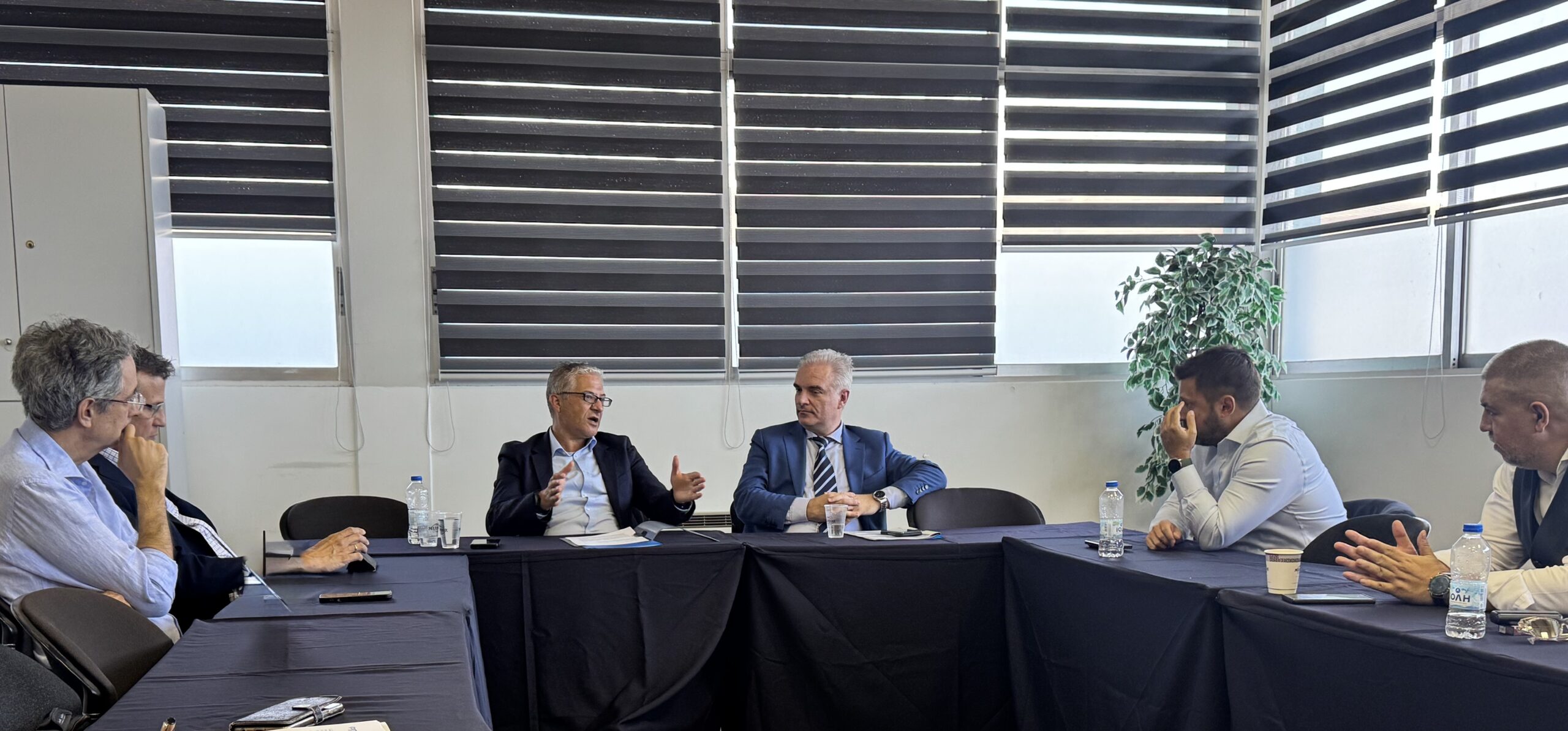
On Saturday, September 5, the leadership of SETPE and representatives of its member companies, led by the President of the Board of Directors, Anastasios Manos, met with the Special Secretary for Artificial Intelligence and Data Governance, Vasileios Karkatzounis. This was followed on Sunday, September 6, by a meeting with the General Secretary for Research and Innovation, Dimitrios Terzis.
The primary objective of the meetings, hosted at the "Nikolaos Germanos" Congress Centre of TIF-Helexpo, was to strengthen the framework conditions necessary for leveraging Artificial Intelligence, research, and innovation to produce competitive market-ready products.
During both meetings, formal memoranda containing structured policy proposals were submitted. A common thread throughout these proposals is the imperative for policy, financing, and technological development tools to meaningfully account for the scale and operational realities of software development SMEs, while streamlining the path from technical solution development to commercial exploitation.
In the memorandum delivered to Mr. Karkatzounis, SETPE highlights that regulatory compliance costs, access to computing resources and datasets, and the current public procurement processes for Artificial Intelligence solutions can create significant barriers for small and medium-sized enterprises. SETPE’s position does not advocate for any compromise on quality or security standards, but rather emphasizes the need to design institutional tools that are workable and effective for smaller-scale businesses as well.
Among the primary proposals is the acceleration, within 2026, of the call for the AI Regulatory Sandbox, with explicit provision for free, prioritized access for small and medium-sized enterprises. SETPE also proposes leveraging participation in the sandbox as proof of technical capacity in public AI contracts and establishing interconnectivity with "Pharos" and the European Digital Innovation Hubs (EDIHs).
Particular emphasis is placed on ensuring Greek software companies gain access to "Pharos," the national AI Factory. SETPE proposes the establishment of an explicit compute time quota for SMEs, an expedited application process, and a pilot round involving twenty Greek enterprises, featuring defined use cases and measurable deliverables.
In parallel, SETPE recommends treating public data as critical productive infrastructure—calling for high-value datasets in machine-readable formats, stable application programming interfaces (APIs), transparent reuse terms, and the establishment of a national program for Greek-language resources.
Special emphasis is placed on the proposal to draft standardized tender documents for public contracts with an Artificial Intelligence component. This will ensure that technical specifications and total cost structures are transparent and comparable, enabling the public sector to procure mature, market-ready software products rather than relying solely on custom, made-to-order development solutions.
In the same context, SETPE proposes the establishment of a Permanent Working Group within the Special Secretariat for Artificial Intelligence with the participation of its representatives. This initiative aims to establish a permanent channel of communication and systematically convey real-world operational challenges and implementation use cases from enterprises to the government. The proposal provides for regular meetings and a clear agenda at a time when technology and regulatory frameworks are evolving significantly faster than traditional institutional consultation cycles.
Transforming Research into Market Value
During the meeting with Mr. Terzis, the leadership of SETPE focused on a distinct yet directly related issue: the gap between the generation of research knowledge and its conversion into market-ready products.
SETPE recommends, among other measures, the systematic evaluation of the tangible impact of public funding, including a comprehensive review of the "Research – Innovate 2021–2027" program and the registration of projects that successfully resulted in commercially available products or services. Concurrently, the Association proposes that a proven commercial track record from previous funding rounds should be factored into proposal evaluations. The underlying rationale is to shift the focus from mere absorption of allocated resources to the actual value generated for the economy.
In the same context, SETPE considers it essential to establish a dedicated scheme targeted exclusively at small technology enterprises, featuring smaller project budgets, a "lighter" application process, faster evaluations, and a greater allocation of resources directly to product-developing businesses.
Also crucial is the proposal for the establishment of a new funding tool covering Technology Readiness Levels (TRL) 7 through 9—specifically targeting initial commercial deployment, certification, documentation, and the industrialization of research outputs—to ensure that successfully completed R&D projects do not stall before reaching end customers.
Additionally, SETPE reiterates its request to eliminate the re-audit of the minimum corporate participation quota during the final certification of collaborative projects, as well as the related compensation clause under Article 8A of the Collaboration Agreement between research centers and enterprises. Concurrently, the Association calls for the establishment of a predefined, standardized framework governing commercial exploitation rights for collaborative research outputs.
Both Mr. Karkatzounis and Mr. Terzis listened to SETPE’s proposals with great attention, noting that they will study them in collaboration with their executive teams and give them serious consideration during the further institutional and legislative drafting stages.
Summarizing SETPE's proposals, the President of the Board of Directors, Anastasios Manos, stated following the meetings: "The Greek State must establish the proper conditions enabling software development SMEs to develop, test, document, market, and export their own proprietary products. Public investment in research yields true returns when it results in solutions and services that are sold, supported, and distributed internationally. Strengthening this productive foundation is a prerequisite for technological autonomy, export growth, and the retention of high specialization and value creation within the Greek economy."